Pont Street gardeners insider tips for mews garden care
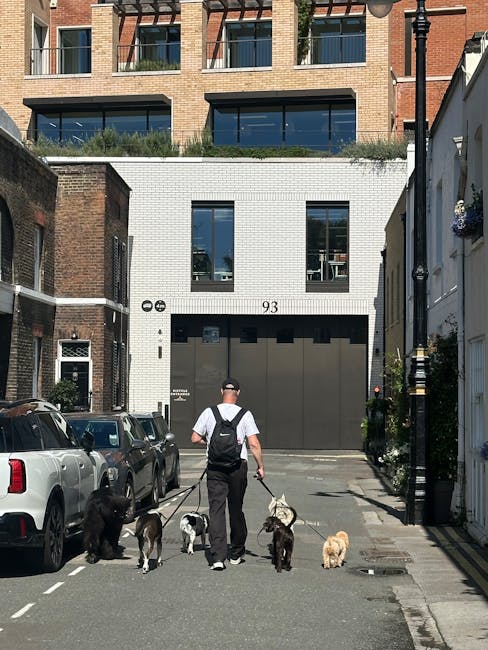
If you manage a mews garden off Pont Street, you already know the charm comes with a few quirks. The space is often narrow, partly shaded, overlooked from upstairs windows, and shaped more by access than by ideal gardening conditions. That is exactly why Pont Street gardeners insider tips for mews garden care matter: the right approach keeps a compact garden looking calm, elegant, and genuinely usable rather than cramped or high-maintenance.
In practice, good mews garden care is less about forcing a standard garden plan into a tight space and more about working with the site. Good drainage, selective planting, tidy edges, and a maintenance rhythm that fits the property all make a big difference. If you get those basics right, even a small courtyard can feel quietly luxurious. And yes, it can still be low-fuss. That's the dream, really.
Below, you'll find a clear, practical guide to what experienced gardeners tend to notice first, what goes wrong most often, and how to keep a Pont Street mews garden looking its best across the seasons.
Why Pont Street gardeners insider tips for mews garden care Matters
Mews gardens in this part of London are not like standard suburban plots. They are typically enclosed, often paved or semi-paved, and exposed to a mix of reflected heat, limited soil volume, shade from buildings, and awkward access. That combination changes everything. Plants dry out differently, moss appears faster, and small maintenance jobs become noticeable very quickly.
Why does that matter? Because small spaces have less room to hide problems. A patch of slippery algae, a tired evergreen, or a bin area that has gone a bit untidy can throw off the whole feel of the garden. In a larger garden, you might barely notice. In a mews setting, you absolutely will.
There's also the lifestyle angle. Many Pont Street properties are used for entertaining, quiet sitting areas, or as a visual extension of the home. The garden is part of the overall impression. So the real job is not only horticultural; it's visual, practical, and often seasonal. A well-kept mews garden says a lot without shouting about it.
Practical takeaway: mews garden care works best when it is planned around access, shade, privacy, drainage, and presentation, not just plant choice.
How Pont Street gardeners insider tips for mews garden care Works
Good mews garden care starts with observation. Before changing anything, a skilled gardener will look at where the light falls during the day, how water moves after rain, which walls create dry shade, and where people actually walk. That sounds simple, but it saves time and money later. You don't want to keep replacing plants in a spot that was never going to suit them in the first place.
The process usually works in layers:
- Site reading: assess sun, shade, moisture, wind, drainage, access, and the amount of usable soil.
- Structure first: check paving, edging, raised beds, planters, trellises, and boundaries before adding more planting.
- Planting strategy: choose plants that suit partial shade, containers, and urban conditions.
- Maintenance rhythm: set a realistic schedule for pruning, feeding, watering, sweeping, and seasonal refreshes.
- Detail care: keep surfaces clean, deadhead flowers, tidy pot rims, and manage visible clutter.
That layered approach is what gives mews gardens their polish. In our experience, the best results come from simplicity done well. A neat evergreen framework, a few seasonal highlights, and tidy surfaces often looks far better than a crowded mix of plants fighting for space. Truth be told, a lot of small gardens improve when you stop trying to make them do everything at once.
If you need a broader sense of how garden upkeep fits into a routine service, a regular garden maintenance plan can help keep small outdoor spaces consistent rather than patchy.
Key Benefits and Practical Advantages
There's a reason careful mews garden care is worth the effort. The gains are not just visual. A well-managed space tends to be easier to use, easier to clean, and easier to live with.
- Better first impressions: a tidy, balanced garden lifts the whole property, especially where the garden is visible from the house or courtyard entrance.
- Lower long-term maintenance: correct planting and soil prep reduce the cycle of replacing failed plants.
- Improved usability: cleaner paths, better layout, and sensible furniture placement make the garden feel bigger.
- Healthier plants: choosing the right species for shade, container growth, or dry walls means fewer losses.
- Less weather stress: compact gardens can be surprisingly exposed; a thoughtful layout softens wind and heat.
- More privacy: layered planting and screens can reduce the "looked into" feeling that many mews gardens have.
There's another advantage people sometimes miss: rhythm. A garden that is looked after regularly tends to settle into itself. It stops feeling like a chore. You notice the new growth, the scent after rain, the sound of water on paving, the calm that comes from everything being in its place. That sort of thing matters more than people admit.
Who This Is For and When It Makes Sense
This kind of care makes sense for a few different types of property owner or manager.
- Homeowners who want a refined outdoor space without a lot of fuss.
- Landlords preparing a mews property for viewings or new tenants.
- Residents dealing with a garden that has become overgrown, patchy, or awkward to maintain.
- Property managers who need a dependable routine and clear standards.
- Anyone with limited access where equipment needs to be carried through narrow entries or shared spaces.
It also makes sense when the garden has one of those familiar London issues: not enough soil depth, not enough sun, or far too many hard surfaces. If that sounds like your space, you are not dealing with a failing garden. You are dealing with a design and maintenance problem that needs the right method. Big difference.
In some cases, a targeted one-off tidy-up is enough. In others, the garden needs a reset with pruning, soil improvement, plant replacement, and maybe some changes to layout. If the space has become cluttered after a long winter or a renovation, a more thorough garden clearance service can make the next stage much easier.
Step-by-Step Guidance
Here is a practical way to tackle a mews garden properly, without overcomplicating it.
1. Start with a full visual sweep
Walk the garden slowly. Look at the paving, the walls, the edges, the pots, the planting, and the sightlines from inside the house. Notice what looks tired, overcrowded, uneven, or oddly bare. Don't rush this bit. The first five minutes often reveal the real priorities.
2. Check drainage and surfaces
Mews gardens often hold water in awkward corners or along old paving joints. If you spot standing water after rain, slippery patches, or soil washing into paths, deal with that before adding new plants. No plant thrives in a spot that turns into a puddle every Tuesday afternoon.
3. Define the structure
Decide what is permanent and what is seasonal. Permanent structure might include planters, screening, climbers, seating, and a small tree or evergreen backbone. Seasonal interest can then come from bulbs, annuals, and changeable pots.
4. Prune strategically
Pruning in a mews garden is about clarity, not volume. Remove dead, crossing, or awkward stems. Thin out plants that block light or crowd walkways. Keep the line of the garden clean. If hedges are part of the scheme, a precise finish matters more than dramatic reduction, and a dedicated hedge trimming service can help maintain that crisp edge.
5. Refresh the planting palette
Use plants that cope well with London conditions and the specific light levels you have. In shaded courtyards, foliage shape and leaf texture often matter more than flashy flowers. In brighter mews pockets, scented planting, herbs, and compact flowering shrubs can work beautifully. Keep the palette disciplined.
6. Improve soil or container medium
In small gardens, soil quality is often the difference between thriving plants and constant replacement. Top-dress beds, refresh compost in pots, and make sure containers have proper drainage holes. It sounds basic because it is basic. And basic things are usually the things that make the biggest difference.
7. Finish with cleaning and detail
Sweep hard surfaces, wash down containers, clear moss where needed, and remove spent flowers or fallen leaves. This last step is what turns maintenance into presentation. A tidy finish makes the space feel intentional.
Expert Tips for Better Results
Here are the things experienced gardeners tend to do without making a song and dance about it.
- Work with microclimates. A wall-facing planter may be much hotter and drier than the rest of the garden. Treat it separately.
- Use repetition. Repeating a few key plants creates calm in a compact space. Too many varieties can make a mews garden feel busy.
- Prioritise leaf shape and texture. In a small area, foliage often carries the design more reliably than flowers alone.
- Keep the lower half lighter. Too much dense planting at ground level can make a small garden feel boxed in.
- Choose containers carefully. Oversized pots can dominate; tiny pots can dry out too fast. Aim for balance.
- Lift and rotate pots seasonally. It's a small thing, but changing the arrangement prevents the garden from looking static.
- Prune with the view in mind. Don't just tidy plants. Think about what they block or reveal from windows and doors.
One small but important habit: step back from the garden at dusk as well as in daylight. Evening light changes everything, especially in narrow streets and courtyards where shadows start stretching across the paving. It is a quick way to spot whether the space still feels open or whether the planting is closing in a bit.
Expert summary: in mews gardens, restraint usually beats excess. A few well-chosen plants, regular cleaning, and sharp edges often create a more elegant result than trying to fill every corner.
Common Mistakes to Avoid
Most mews garden problems are not dramatic. They creep in quietly. Here's what to watch out for.
- Choosing plants for looks only. A plant may look great in a nursery and still hate your shade, soil, or wind exposure.
- Ignoring access. If maintenance is awkward, the garden will be maintained less often. That part is just human nature.
- Overcrowding. Small spaces need room to breathe. Too many pots or too much planting makes the area feel smaller and harder to clean.
- Letting surfaces go dull. Slippery paving and mossy edges drag down the whole look and can become a trip hazard.
- Using too many different materials. A mix of finishes can work, but too much variation makes the space feel chopped up.
- Skipping seasonal resets. Even a good garden starts to look tired if nothing gets cut back, topped up, or rotated.
One of the sneakiest mistakes is designing for a perfect day and forgetting the rest of the year. A mews garden needs to look good in March drizzle, July heat, and that damp November week when everything feels a bit grey. If it only works in one season, the plan probably needs another look.
Tools, Resources and Recommendations
You do not need a van full of kit to look after a Pont Street mews garden, but the right tools make maintenance easier and cleaner.
- Bypass secateurs: for clean cuts on living stems and light pruning.
- Long-reach snips: useful in tight spaces and around thorny or awkward plants.
- Hand fork and trowel: for container refreshes, edging, and small soil jobs.
- Stiff broom: essential for keeping paving and hard surfaces presentable.
- Watering can or hose setup: practical for containers, especially in warm spells.
- Compost and mulch: helps improve moisture retention and reduce the harsh look of bare soil.
- Gloves and kneeler: small comfort upgrades, but worth it if you are doing regular work.
On the service side, a combined approach often works best. For example, lawn edges, hedge work, and structural pruning may need different attention at different times of year. If the space includes a small lawn, a consistent lawn mowing service can stop it from becoming an afterthought. If the garden includes vertical planting or a privacy feature, the ideas in the privacy wall planting guide may also be useful as a design reference.
For broader planning, a look at garden services overview can help you judge whether you need maintenance, reshaping, or a more structural refresh.
Law, Compliance, Standards, or Best Practice
For most private mews gardens, the key issue is not heavy regulation but sensible best practice. That said, there are a few things worth keeping in mind.
If work involves trees, shared access, fences, boundary walls, or shared courtyards, it is sensible to check property boundaries and any leasehold or management company requirements before starting major changes. That avoids the awkward situation where a "small tidy-up" turns into a neighbourly dispute. Not ideal, to put it mildly.
From a safety and professionalism point of view, gardeners should work in line with sensible risk assessment, safe handling of tools, and proper disposal of green waste. Where heights, machinery, or awkward access are involved, good practice matters even more. A company's health and safety approach and insurance and safety information are worth reviewing if you are choosing a provider.
Recycling and waste handling also matter in London settings, especially where access is tight and waste needs to be removed carefully. If sustainability is important to you, ask how clippings, cuttings, and cleared materials are managed. A clear recycling and sustainability policy gives you a useful indication of standards.
Best practice, in plain English, means: protect the property, protect people, and avoid shortcuts that create more work later.
Options, Methods, or Comparison Table
Different mews gardens need different approaches. Here's a simple comparison of common care methods.
| Method | Best for | Strengths | Limitations |
|---|---|---|---|
| Regular maintenance visits | Established gardens needing consistency | Keeps the space neat year-round, prevents small issues building up | Needs an ongoing budget and routine access |
| Seasonal tidy-up | Gardens that only look tired at certain times of year | Good for pruning, replanting, and reset work | Problems can return if the space is not monitored between visits |
| One-off restoration | Overgrown or neglected mews gardens | Creates an immediate visible improvement | May not solve long-term maintenance needs |
| Structural redesign | Gardens with poor layout, shade, or drainage issues | Can transform usability and appearance | More involved, and usually requires a bigger commitment |
For many Pont Street properties, a mixed approach works best: a one-off reset followed by light regular maintenance. That keeps the garden looking intentional without demanding endless intervention. It is a pragmatic answer, and pragmatism wins a lot in small London spaces.
Case Study or Real-World Example
Consider a typical mews courtyard with pale paving, three large planters, one narrow border, and a wall that only gets direct sun for part of the day. At first glance, it looks fine. But by late spring, the planters are drying out at different speeds, the shade-loving plants are stretched toward the light, and the paving near the wall is starting to feel slick after rain.
The fix was not dramatic. It never usually is. The planting was simplified, tired material was cut back, drainage around the edge was improved, and the pots were rearranged so the most handsome container framed the seating area rather than blocking it. A climber was trained more carefully to soften the wall without swallowing the space. The whole courtyard started to read as one calm room outdoors rather than a collection of things.
The interesting part? Nothing flashy was added. No grand gesture. Just better proportion, a cleaner finish, and plants chosen to match the site rather than the wish list. That's the kind of change people notice immediately, even if they cannot quite say why.
Practical Checklist
Use this quick checklist before or after any mews garden visit.
- Check where sun and shade fall across the day.
- Look for standing water, moss, or slippery paving.
- Remove dead, damaged, or overcrowded growth.
- Trim hedges and edges for a crisp outline.
- Refresh container compost if pots are tired or compacted.
- Water deeply and less often rather than with little splashes.
- Keep sightlines open from windows and doors.
- Limit the number of plant varieties so the space feels calm.
- Clear fallen leaves and debris before they stain surfaces.
- Review privacy, access, and any shared boundary issues.
- Plan the next visit before the garden begins to slip.
Quick reminder: in a compact garden, small tasks matter more than people think. A ten-minute tidy can change the whole tone of the space.
Conclusion
Pont Street gardeners insider tips for mews garden care come down to a simple principle: respect the space. Do not fight it. Read the light, manage the surfaces, choose plants that suit the conditions, and keep the design restrained enough to breathe. That is how a tiny courtyard becomes a quietly impressive part of the home rather than a maintenance burden.
The best mews gardens often look effortless because someone has been very deliberate behind the scenes. A little pruning here, a better plant choice there, a cleaner line along the edge, and suddenly the whole thing feels settled. Not overdone. Just right.
If your garden has started to feel patchy, overgrown, or a bit too hard to keep on top of, the next sensible step is a proper review of what needs a light touch and what needs a fuller reset. Small decisions, made well, go a long way.
Get a free quote today and see how much you can save.
Frequently Asked Questions
What makes a mews garden different from a normal garden?
Mews gardens are usually smaller, more enclosed, and more dependent on walls, paving, planters, and access routes. They often have different light and drainage conditions too, so they need a more tailored care plan than an open garden.
How often should a Pont Street mews garden be maintained?
That depends on the planting and how visible the space is, but many mews gardens benefit from regular attention rather than occasional big clear-ups. Light, frequent maintenance usually keeps them looking better with less effort overall.
Which plants work best in shaded mews gardens?
Plants that cope with partial shade, container growth, and drier conditions near walls usually perform better. Foliage plants, compact evergreens, and shade-tolerant seasonal planting often give the most reliable results.
How do you make a small mews garden look bigger?
Keep the layout simple, avoid overcrowding, use repeated planting, and make sure the main view from the house is open and balanced. Clean paving and well-placed planters also help the space feel less cluttered.
Is a one-off garden clearance enough?
Sometimes, yes, especially if the space has simply become untidy or overgrown. If the garden has recurring problems such as poor drainage, tired planting, or awkward structure, a clearance should usually be followed by a more considered maintenance plan.
What should I do first if my mews garden is neglected?
Start by clearing obvious debris, removing dead growth, and checking the condition of surfaces and planters. Then look at what the space needs structurally before thinking about new planting. That order matters more than people expect.
Can a small courtyard still have privacy?
Yes. Careful screening, climbers, tall potted plants, and well-placed layers of planting can all help. The trick is to add privacy without making the garden feel boxed in.
Are hard surfaces a problem in mews gardens?
They can be, if they dominate the space or become slippery and neglected. But with regular sweeping, cleaning, and softer planting around the edges, hard surfaces can work very well in a compact garden.
What are the most common maintenance mistakes?
Overcrowding, poor plant selection, ignoring drainage, and letting surfaces become dull or slippery are the big ones. Another common issue is not matching the maintenance routine to the actual time and access available.
How do I know if I need professional help?
If the garden is overgrown, hard to access, visually unbalanced, or repeatedly failing despite your efforts, a professional review is usually worth it. Sometimes a fresh set of eyes spots simple fixes straight away.
Do I need permission for bigger changes in a mews garden?
Possibly, depending on ownership, lease terms, shared boundaries, or any management company rules. Before making major structural changes, it is wise to check what applies to the property so you avoid disputes later.
What's the best seasonal strategy for a London mews garden?
Think in terms of spring refresh, summer watering and shaping, autumn leaf and cutting-back work, and winter structure checks. That cycle keeps the garden looking cared for all year instead of only at one time of season.