Gardeners Knightsbridge council rules on garden waste: a practical guide for local homeowners and gardeners
If you are trying to stay on the right side of Gardeners Knightsbridge council rules on garden waste, you are not alone. A tidy border, a half-filled green bin, and a pile of prunings by the gate can turn into a surprisingly awkward problem if you are not clear on what can be collected, what should be bagged, and what needs a different route altogether. Truth be told, most garden waste issues are not dramatic; they are just messy, time-consuming, and easy to get wrong.
This guide breaks the topic down in plain English. You will learn how garden waste is usually handled in Knightsbridge and wider London, why the rules matter, what good practice looks like, and how gardeners can avoid the common slip-ups that lead to complaints, extra costs, or a pile of cuttings sitting there longer than it should. We will also look at practical ways to plan clearance and maintenance so the whole job feels less like admin and more like getting on with the garden.
Table of contents
- Why these rules matter
- How garden waste handling works
- Key benefits and practical advantages
- Who this is for and when it makes sense
- Step-by-step guidance
- Expert tips for better results
- Common mistakes to avoid
- Tools, resources and recommendations
- Law, compliance, standards, or best practice
- Options, methods, or comparison table
- Case study or real-world example
- Practical checklist
- Conclusion
- Frequently asked questions
Why Gardeners Knightsbridge council rules on garden waste Matters
Garden waste sounds simple until you are standing beside a heap of hedge trimmings, grass clippings, dead leaves, and small branches wondering where it should all go. Local rules matter because they affect how quickly waste can be removed, how tidy a property stays, and whether a job is handled in line with council expectations. In a place like Knightsbridge, where frontages, mews, courtyards, and shared access routes are often close together, even a small build-up can become noticeable fast.
The practical side is just as important. If garden waste is handled badly, it can create odour, block access, attract pests, or lead to neighbour complaints. Nobody wants bags of damp grass sitting in a narrow passage for two days in warm weather. That smell will announce itself before you do.
For gardeners, the bigger issue is consistency. A professional service needs a predictable system for sorting, storing, loading, and moving green waste. If the team is also doing hedge trimming, mowing, or regular garden maintenance, the waste strategy should be built into the job, not treated like an afterthought.
Expert summary: The safest approach is to treat garden waste as part of the work plan, not the final clean-up. If you plan the disposal route before the first cut, you usually save time, reduce mess, and stay more in line with council expectations.
How Gardeners Knightsbridge council rules on garden waste Works
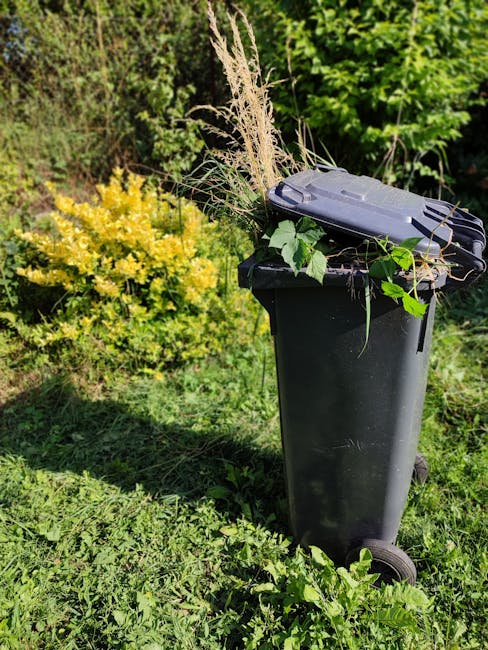
The exact local collection process can vary, and councils do adjust their guidance from time to time, so it is always wise to check current local instructions before putting out waste. That said, the usual pattern across London is fairly familiar: household garden waste may be collected through a dedicated service, taken to a recycling point, or removed by a licensed waste carrier if the volume is too large for normal collection.
In practical terms, garden waste is usually sorted into a few broad groups:
- Organic green waste such as grass, leaves, weeds, and plant cuttings.
- Woody material such as prunings, twigs, and smaller branches.
- Mixed garden clearance waste that may include soil, pots, turf, old timber, or damaged garden fittings.
- Special or bulky items such as tree stumps, large logs, or damaged landscaping materials.
The best gardeners keep these separate where possible. Why? Because once waste is mixed unnecessarily, it can become harder to recycle, more expensive to remove, and more awkward to handle. A clean green-waste load is a very different thing from a mixed clearance load.
For larger projects, a service like garden clearance is usually the smarter route. It is designed for bulk removal after overgrowth, seasonal cutbacks, or pre-sale tidy-ups. If the work also involves tree branches, awkward trunks, or safety concerns, you may need tree lopping and removal support as part of the overall plan. The aim is not just to get rid of waste; it is to remove it in a way that keeps the site safe and manageable.
One small but important point: some waste can be recyclable, some can be composted, and some needs a different disposal route. That sounds obvious, but in the real world people often lump everything into one pile and hope for the best. Hope is not a waste strategy, sadly.
Key Benefits and Practical Advantages
Following council rules and sound waste practice gives you more than compliance. It makes day-to-day gardening smoother and, to be fair, easier on the nerves.
- Cleaner site presentation: Neat waste handling keeps gardens, pavements, and shared spaces looking cared for.
- Less neighbour friction: Bags, odours, and stray clippings are common sources of complaints in dense residential areas.
- Better recycling outcomes: Separating green waste properly improves the chance of composting or material recovery.
- Lower risk of pest attraction: Piles of wet organic waste can draw insects and rodents if left too long.
- More efficient jobs: Planned removal avoids double handling and unnecessary loading time.
- Reduced safety hazards: Loose branches, spikes, and hidden debris are less likely to cause trips or cuts when cleared promptly.
There is also a commercial benefit if you are hiring a local gardener. A business that understands how waste should be handled shows better workflow, better judgement, and usually better respect for the property. That matters whether the job is simple mowing or a more involved seasonal tidy-up.
If your outside space needs ongoing attention, it can be sensible to combine clearance with lawn mowing, hedge trimming, or broader services overview planning so waste builds up less often in the first place. Prevention beats a Saturday afternoon crisis, every time.
Who This Is For and When It Makes Sense
This topic is relevant to more people than you might think. Homeowners, landlords, letting agents, estate managers, and local gardeners all bump into garden waste rules at some point. If you manage a compact courtyard, a roof terrace planting scheme, or a traditional private garden, the amount of waste may be small but the need for tidy handling is still there.
It also matters when the work is seasonal. Spring clear-outs and autumn leaf falls are the obvious pressure points, but winter pruning and summer growth spurts bring their own waste surge. The day starts fine, then suddenly you have three bags of cuttings, a bundle of canes, and a stubborn branch that will not fit anywhere. That is usually when the plan needs to be more than, "we'll sort it later."
This guide makes sense if you are:
- trying to understand what can go in garden waste collections,
- planning a one-off tidy-up after a long period of neglect,
- coordinating maintenance for a rental or managed property,
- comparing professional options for waste removal, or
- wanting a smoother, cleaner routine for regular upkeep.
If you are working around timber features, raised beds, or decking, the waste story can be a little more involved. For example, debris around timber structures or hard landscaping may need a mixed approach, and sometimes the broader site work matters too. In those cases, it can help to review decking services or landscaping alongside waste removal, because the material leaving the site often depends on what is being altered on the site.
Step-by-Step Guidance
If you want a straightforward way to handle garden waste in line with local expectations, this is the workflow that tends to hold up well in real jobs.
- Assess the waste before cutting. Look at what is likely to come off the garden: soft clippings, thick prunings, soil, old pots, or mixed debris. A quick look can save a lot of guesswork later.
- Separate organic and non-organic material. Leaves and grass are usually very different from broken planters, stones, or old timber. Keep them apart if you can.
- Decide the disposal route early. Will it fit a normal collection system, need a one-off clearance, or require transport away from site? The answer changes the whole approach.
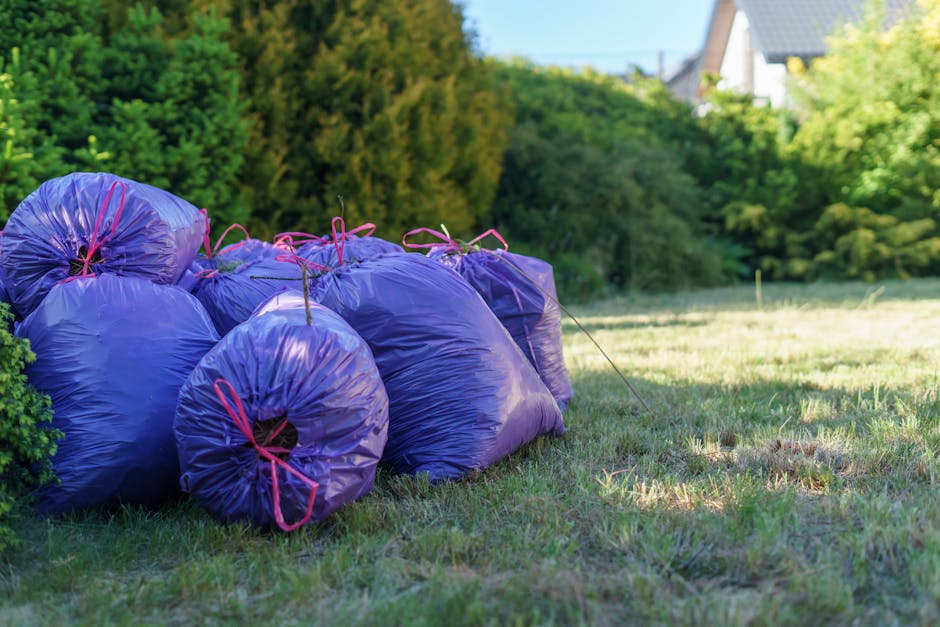
- Bag or bundle carefully. Use manageable loads. Overfilled bags split. Branches poke through. It is not glamorous, but it is worth doing properly.
- Keep access routes clear. In Knightsbridge, tight access can be the real challenge. Do not block shared paths, gates, or parking areas for longer than necessary.
- Remove waste promptly. Green waste is best cleared quickly, especially in warm or damp conditions where smell and decay build up.
- Finish with a final sweep. Tiny fragments of leaves and soil make a garden look half-done even after the bulk waste is gone.
A simple example: after hedge trimming, you may have one set of fine clippings and another of woody offcuts. The clippings are compact but messy, while the woody pieces need tying or stacking. That difference sounds minor until you are loading the van in the rain. Then it suddenly feels very important.
If the work is recurring, fold waste management into a maintenance schedule rather than treating it as a one-off task. Pairing clearance with garden maintenance keeps volumes smaller and makes the garden easier to manage overall.
Expert Tips for Better Results
A few practical habits make a big difference. None of them are flashy, but that is kind of the point.
- Cut dry where possible. Wet grass and soggy leaves weigh more and go slimy fast. Dry material is easier to bag and transport.
- Plan around weather. If rain is on the way, get waste moved before it becomes heavier and harder to handle. London drizzle has a way of changing a simple job into a slog.
- Use the right container size. Smaller bags are often better than giant sacks that nobody can lift safely.
- Do one waste walk-through at the end. Check corners, behind planters, and under shrubs. Waste has a habit of hiding.
- Think about recycling first. If a load can be kept green and clean, it may be more suitable for composting or responsible recovery.
- Match the method to the job. A light mow and border tidy do not need the same waste plan as a full overgrown clearance.
In our experience, the jobs that go smoothly are the ones where someone made one sensible decision early. Not ten decisions later, when the pile has already doubled.
It is also worth asking whether the garden layout itself is making waste handling harder than it needs to be. Sometimes a little redesign, smarter access, or better edge definition can reduce future debris. That is where landscape gardening can quietly solve a recurring problem rather than just patching it.
Common Mistakes to Avoid
Most waste problems come from a few repeat mistakes. They are very human mistakes, honestly. Easy to make. Easy to fix once you spot them.
- Mixing everything together. Green waste, soil, rubble, and broken items should not all end up in one heap unless you genuinely have no alternative. Mixed loads are harder to process.
- Leaving waste out too long. That is how gardens start looking neglected, even when the work itself was good.
- Ignoring access restrictions. A big bag in a narrow shared passage is a nuisance, and in some places a real obstruction.
- Assuming all garden waste is the same. It is not. Grass clippings and tree offcuts behave very differently.
- Overlooking safety. Sharp branches, hidden wire, and broken terracotta are classic cut-hand material.
- Forgetting final site tidying. If the bags are gone but the path is gritty and speckled with debris, the job still feels unfinished.
A subtle mistake, but common: people sometimes focus so much on "getting rid of the pile" that they forget the work area itself. If the soil spill is still across the paving, or if cut leaves have blown into a neighbour's side return, the waste problem is really not solved yet.
Tools, Resources and Recommendations
You do not need a huge kit to manage garden waste well, but the right basics help a lot. For most jobs, a sensible setup includes strong sacks, gloves, secateurs, pruning saws, a rake, and a wheelbarrow or tub for moving material safely. On larger jobs, tarpaulins are useful because they help drag material in one clean movement instead of making five awkward trips.
For professional work, the bigger "resource" is a clear process. That means deciding in advance how the team will sort waste, where it will be stacked, and how it will be removed. If the job involves hedge lines, dense shrubs, or repeated cutbacks, using hedge trimming alongside a clearance plan tends to keep the site tidier with less back-and-forth.
You may also want to think about sustainability. Garden waste is often one of the easiest waste streams to handle responsibly, provided it is kept clean and uncontaminated. Where suitable, it can support composting, mulching, or other recovery pathways rather than ending up as general rubbish. The point is to keep the material useful for as long as possible.
If you are comparing services, it is sensible to look at the provider's approach to disposal, safety, and public-facing clarity. A company that explains its working standards well is usually easier to trust on site too. You can explore recycling and sustainability, insurance and safety, and health and safety policy pages to get a clearer sense of how a professional team frames its responsibilities.
Law, Compliance, Standards, or Best Practice
Garden waste handling is one of those areas where common sense, local council guidance, and standard waste duty of care all overlap. The details can depend on whether the waste is household waste, part of a business service, or a larger mixed clearance job. Because rules can change, it is best not to assume last year's arrangement still applies this year.
As a general rule, good practice means:
- keeping waste properly contained before collection,
- avoiding obstruction of pavements or shared access,
- separating green waste from contaminated or non-recyclable material where possible,
- using appropriate handling methods for heavy or sharp material, and
- ensuring waste is taken away through a legitimate route.
If a job is commercial rather than domestic, the expectations can be stricter. Record-keeping, carrier arrangements, and site housekeeping matter more. Even in domestic settings, though, it is still wise to treat waste properly and not rely on a "someone will take care of it" approach. That one rarely ages well.
Where tree work, pruning, or substantial clearance is involved, safe handling matters as much as disposal. Branches can spring, splinter, or trap smaller debris underneath them. A tidy-looking pile may still hide a sharp surprise. That is why people doing larger jobs often combine waste removal with the actual service, instead of separating them completely.
Options, Methods, or Comparison Table
There is more than one way to deal with garden waste, and the best option depends on volume, access, and how quickly the material needs to leave the site. Here is a simple comparison to make the choice clearer.
| Method | Best for | Pros | Limitations |
|---|---|---|---|
| Council garden waste collection | Routine household green waste | Convenient for smaller, regular loads | May have size, presentation, or timing constraints |
| On-site composting | Leaves, grass, and soft plant matter | Low-waste, useful for ongoing gardens | Needs space and time; not suitable for all material |
| Professional clearance | Bulk, mixed, or awkward waste | Fast, practical, less hassle for the homeowner | Usually better suited to larger jobs |
| Repeat maintenance removal | Regular upkeep and smaller trimmings | Stops waste building up; keeps the garden tidy | Needs scheduled visits and routine planning |
For many homes in Knightsbridge, the answer is a blend rather than one single method. A tidy garden might use regular maintenance for smaller volumes, with occasional clearance for seasonal surges. If the structure of the garden is changing too, it can be worth looking at landscaping or even service planning to decide what needs to be retained, moved, or disposed of.
Case Study or Real-World Example
Picture a small Knightsbridge courtyard after a spring tidy-up. The garden has a mix of clipped box, some herbaceous cutbacks, a little moss from the paving, and a couple of broken terracotta pots that have been sitting in a corner since last season. Nothing dramatic. But it is enough to feel cluttered.
A sensible gardener starts by separating the green waste from the hard items. The soft material is bagged or loaded as one stream. The pots and broken bits are set aside for a different disposal route. The paving is swept, the edges are brushed, and the access path is kept clear so neighbours can still get through without stepping around a heap of cuttings. Simple, but effective.
Now compare that with a rushed approach. Everything goes into one mixed pile, one bag splits, the leaves blow into the alley, and the job takes longer because the waste needs sorting afterward. Same garden. Very different experience.
That is really the point of council rules and waste planning. They do not exist to make life annoying. They exist to keep places cleaner, safer, and more manageable in the real world.
Practical Checklist
Use this quick checklist before and after any garden waste job:
- Have I identified what type of waste I am dealing with?
- Have I separated green waste from mixed or non-organic material?
- Do I know whether the waste is going into collection, composting, or clearance?
- Have I kept access routes, gates, and shared paths clear?
- Are the bags, bundles, or containers safe to lift and move?
- Have I checked for hidden sharp items, wire, or broken debris?
- Is the site swept and left tidy once the waste is removed?
- Does the disposal route match local council expectations and current guidance?
- If the job is large, do I need support from a professional clearance service?
- Have I reviewed whether regular maintenance would reduce waste build-up next time?
It sounds basic, and it is. But basic done well is usually what keeps a job calm.
Conclusion
Garden waste rules can feel like small print, but in practice they shape how clean, safe, and efficient every gardening job becomes. If you understand the basics of Gardeners Knightsbridge council rules on garden waste, you are in a much better position to avoid delays, protect access routes, and keep the garden looking finished rather than half-cleared.
The smartest approach is usually simple: sort waste early, remove it promptly, use the right method for the amount you have, and stay aware of local guidance. For recurring work, tie waste handling into your routine maintenance plan. For larger jobs, choose a clearance approach that respects both the property and the waste stream itself.
If your garden needs a proper reset or you want help handling waste the right way, start with a clear plan and a service that treats the details seriously.
Get a free quote today and see how much you can save.
Frequently Asked Questions
What counts as garden waste in Knightsbridge?
Garden waste usually includes grass cuttings, leaves, weeds, hedge trimmings, small branches, and similar organic material. Mixed debris such as soil, broken pots, old timber, or leftover landscaping items may need a different disposal route.
Can I put all my garden waste in one bag?
You can, but it is not always the best idea. Mixing soft green waste with heavy, sharp, or non-organic material makes disposal harder and can create problems if the load is being collected for recycling or composting.
Do council rules allow garden waste to be left out on the pavement?
Usually not for long, and it should never block access or create a hazard. Waste should be stored and presented in line with current local guidance. If in doubt, keep it contained and move it quickly.
What is the best way to deal with large volumes of hedge cuttings?
For larger hedge jobs, bundling, bagging, or using a dedicated garden clearance approach is usually the most practical answer. Hedge work creates bulky, awkward waste, so it often needs more than standard household handling.
Can garden waste be composted?
Yes, many types of soft green waste can be composted if kept clean and free from contamination. Grass, leaves, and some plant trimmings are often suitable. Thick woody branches and mixed debris usually need another route.
What happens if garden waste is mixed with rubble or general rubbish?
It usually becomes harder to recycle and may be more expensive or time-consuming to remove. Mixed loads are less tidy, less efficient, and less attractive to standard green-waste handling methods.
How often should garden waste be removed?
That depends on the garden and the season. During active growing periods, waste may build up quickly. Regular maintenance visits are often better than waiting until a full clearance becomes necessary.
Is a professional garden clearance worth it for a small property?
Often, yes, especially if access is tight or the waste includes awkward material. Even small gardens can produce surprisingly bulky waste after pruning, hedge cutting, or seasonal tidy-ups.
What should I check before hiring someone to remove garden waste?
Look for a clear process, sensible handling of waste streams, and a provider who understands safety and disposal responsibilities. It is also wise to review service information such as pricing and quotes and about us so you know how they work.
Can garden waste rules affect neighbours or shared spaces?
Yes. In dense areas, waste stored poorly can obstruct shared access, create mess, or lead to complaints. This is why careful timing and tidy handling matter so much in places with close property boundaries.
What is the most common mistake people make with garden waste?
The most common mistake is leaving it too late. Waste piles up, gets wet, becomes heavier, and suddenly the job is twice as awkward. Sorting and removing it early always makes life easier.
How do I keep garden waste handling simple all year round?
Build it into routine maintenance. If you keep on top of pruning, mowing, and tidying, the waste stays manageable and the garden feels calmer overall. A little regular work goes a long way, really.
For homeowners and gardeners alike, the best result is usually the same: a clear space, a clean finish, and one less thing to worry about when you step outside in the morning.